

Transforming mussel economics
The global mussel industry produces an extraordinary natural resource that is overlooked. Seastex was founded to capture that lost value by transforming discarded byssus into high-value natural feedstocks for industries ranging from cosmetics and construction to advanced materials. By creating markets for what is currently a by-product, we aim to make mussel farming more valuable without asking farmers to produce more.
-
Mussel farming supports coastal communities around the world, yet many producers operate within tight margins while facing rising labour costs, unpredictable conditions at sea and increasing climate-related pressures.
Seastex works together with mussel farmers, processors, researchers and industry to turn an overlooked by-product into an additional source of value. Through regional Byssus Tech processing hubs, we aim to keep that value close to where mussels are grown, creating new revenue opportunities, skilled green jobs and stronger local supply chains. Rather than asking farmers to produce more, we make what they already produce worth more.
-
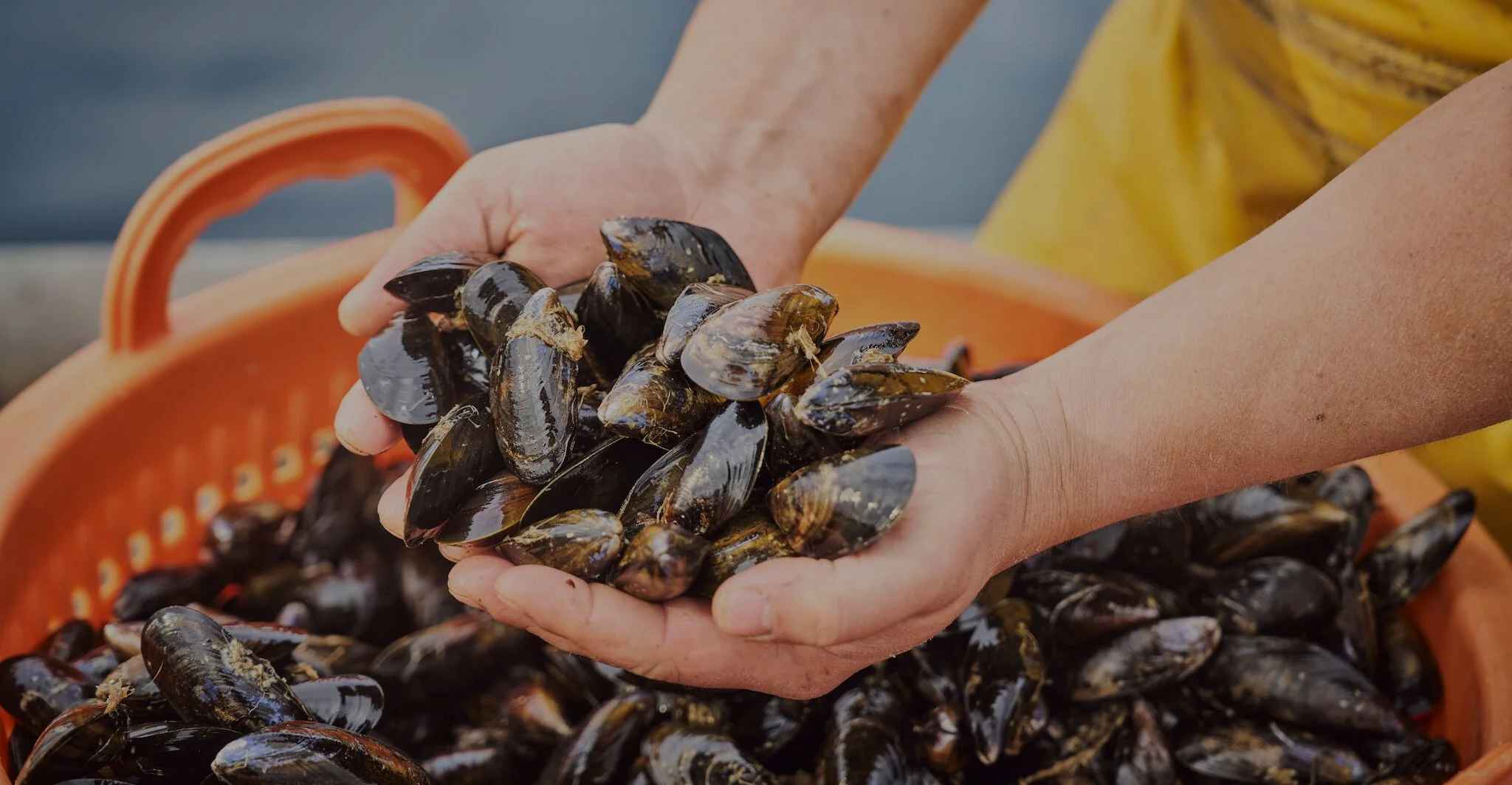
Byssus is not simply a by-product to be diverted from landfill. It is a naturally engineered protein-rich fibre with properties that can create value across multiple industries.
Seastex processes byssus into natural fibres, milled fibres and powders, enabling applications across acoustic products, cosmetics, nutrition and advanced materials. By developing multiple high-value markets from the same resource, we can replace more resource-intensive conventional materials while increasing the economic value of byssus. Our ambition is not to create one sustainable product, but to establish byssus as a new natural feedstock for global industry.
-
Byssus is already produced by mussels and separated during industrial processing, yet thousands of tonnes are discarded each year while other industries continue to consume virgin materials and ingredients. Seastex closes this loop by recovering byssus at source and transforming it into natural feedstocks that can remain in productive use across multiple industries.
Our proprietary Byssus Tech enables regional processing close to mussel-producing areas, creating a globally replicable model where the leftovers of one industry become the raw materials of another. Our long-term ambition is simple: wherever mussels are commercially processed, byssus should be recognised as a resource.
-
The opportunity for byssus extends far beyond Scotland. Mussels are cultivated and processed across coastal regions around the world, creating a globally distributed resource that requires locally adaptable processing infrastructure.
Seastex is developing Byssus Tech as a replicable platform that can be deployed across major mussel-producing regions, recovering byssus close to source and connecting regional supply with high-value global markets. Our goal is to transform byssus from a globally overlooked by-product into an internationally recognised natural resource.
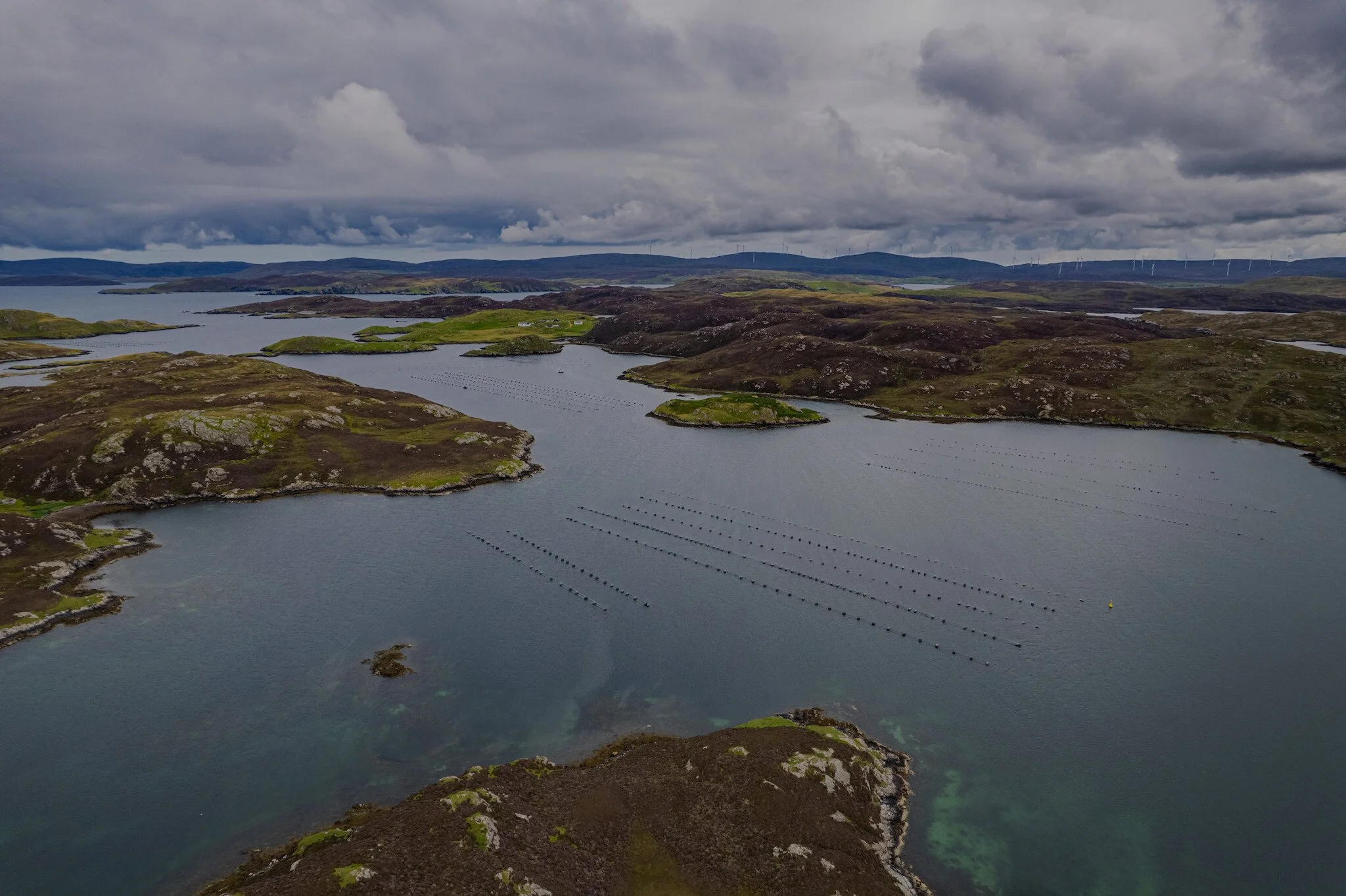
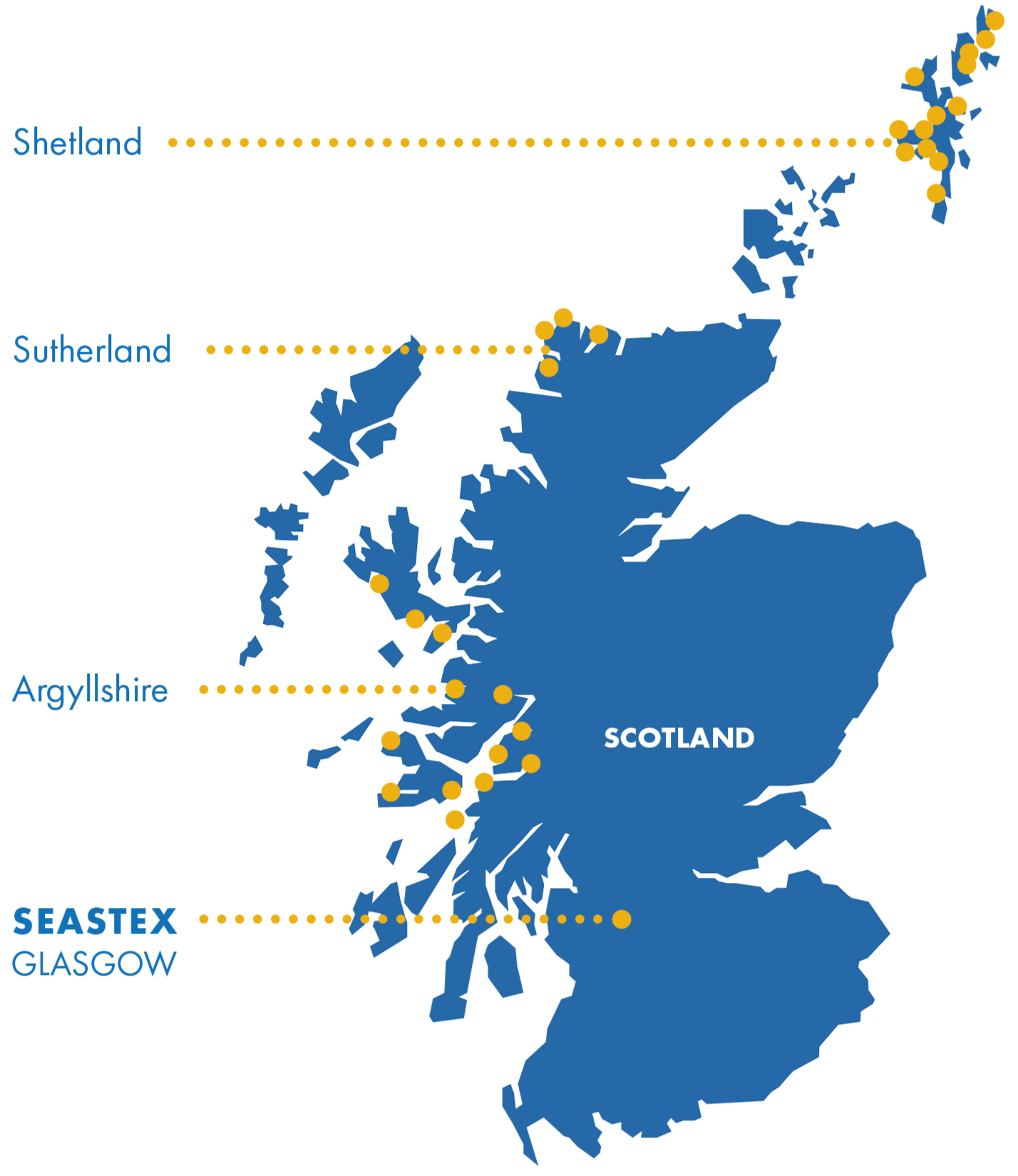
Partnering with Scottish Shellfish,
A cooperative of 37 mussel farmers
strategic partners
Together, we are demonstrating how a previously discarded by-product of mussel farming can be transformed into high-value materials and ingredients, increasing the value of every harvest while creating new revenue opportunities for shellfish farmers.
By turning byssus into a valuable resource, Seastex is helping build a more circular and resilient blue economy that reduces waste, strengthens local supply chains, and supports sustainable livelihoods in coastal communities.
Our long-term ambition is to replicate this model across the world's major mussel farming regions, enabling coastal communities globally to unlock greater value from their natural resources through innovation, circularity, and sustainable manufacturing.
TEAM

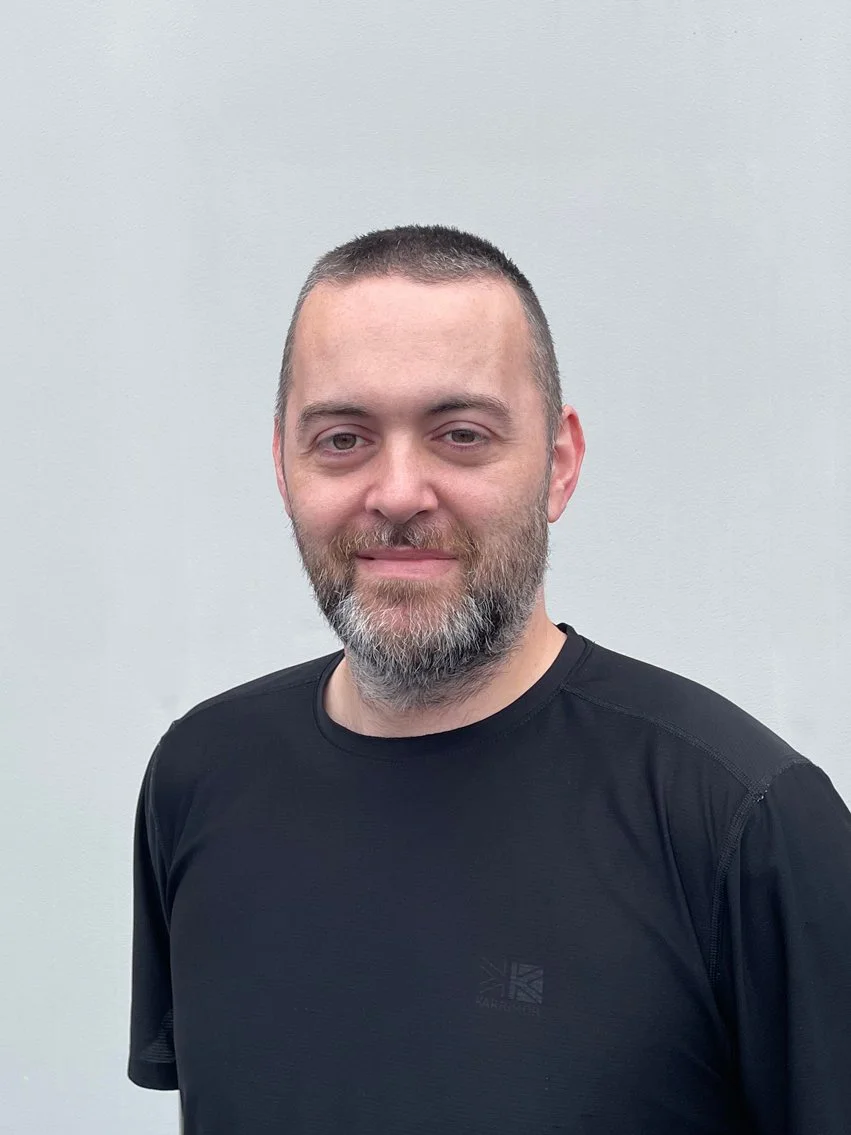
SANDER NEVEJANS
Founder & CEO
Sander founded Seastex in June 2021. He saw the potential of byssus and set out to turn it into a viable product. With an electromechanical and interior design background, Sander has +15 years of experience as a metal fabricator in Belgium and the UK, and 9 years of experience as an interior, product and industrial designer for companies such as Ito Masaru Design Projects in Tokyo, Japan, and B3 Designers, TurnerBates, and WATG/Wimberly Interiors in London, UK.
MICHEL VANHOONACKER
Head of Business Strategy
Michel studied economics in Belgium, and marketing in Bristol and has over 20 years of experience in industrial and office real estate, international business, and accounting in the UK. His day-to-day responsibilities include cashflow follow-up, payroll, legal and property search. He has been involved in helping companies such as Meditech Health Automation Ltd and UZE Ltd set up in the UK and has access to a broad network of businesses and suppliers.
EMILIO CUEVAS
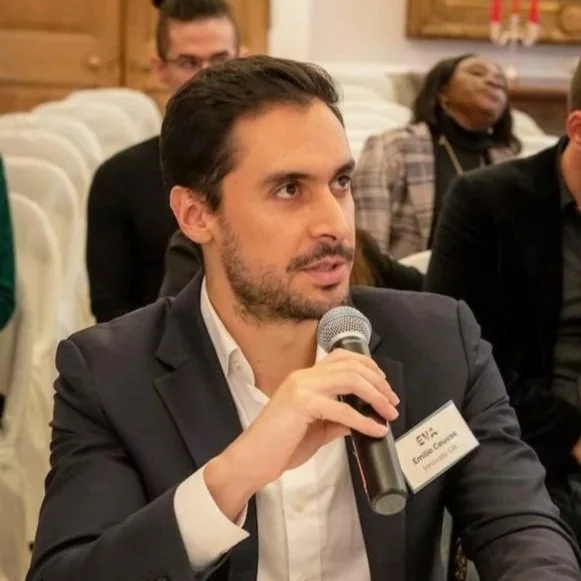
Advisor - Innovate UK Business Growth
Emilio holds an MSc in Entrepreneurship from UCL and a Law degree. While originally from Mexico, where he worked as a corporate lawyer in Banking & Finance and Capital Markets at Holland & Knight and was part of the founding team of a law firm. Emilio now supports startups on investment readiness, managing innovation and international expansion as Ecosystem Innovation & Growth Specialist at Innovate UK Business Growth through UCL Innovation & Enterprise.
RICCARDO MAZZARELLA
Feedstock Processing Technician
Following more than 15 years in facilities maintenance, Rick has been retrained in biomaterials processing to specialise in the sorting, cleaning, drying, grading, and preparation of mussel byssus into consistent, high-quality feedstock for advanced biomaterial applications.
OUR VALUE PROPOSITIONS & PriNCiples
VALUE PROPOSITIONS
-
MAKING WHAT THE MUSSEL INDUSTRY ALREADY PRODUCES WORTH MORE.
Byssus is already produced, separated and concentrated during industrial mussel processing, yet thousands of tonnes are discarded every year. Seastex captures this lost resource and transforms it into high-value natural feedstocks, creating economic value without requiring farmers to grow more mussels. By connecting an existing by-product with new commercial markets, we create additional value for mussel farmers, processors and coastal communities while reducing the amount of biological material going to landfill.
-
UNLOCKING THE FULL COMMERCIAL POTENTIAL OF BYSSUS.
Seastex does not depend on a single product or market. Our technology transforms byssus into different feedstock formats, including natural fibres, milled fibres and powders, creating opportunities across cosmetics, construction, advanced materials and other emerging applications. This multi-market approach allows the same biological resource to generate multiple revenue pathways while providing industries with a new natural alternative to more resource-intensive conventional materials and ingredients.
-
CREATING THE INFRASTRUCTURE FOR A GLOBAL BYSSUS RECYCLING INDUSTRY.
Seastex has developed proprietary recycling technologies specifically engineered around the unique characteristics of byssus. Rather than transporting a global by-product to one central facility, our model is to establish regional Byssus Tech value chains within major mussel-producing regions, recovering and processing byssus closer to source before connecting these natural feedstocks with high-value global markets. By combining proprietary processing technology, access to feedstock and growing downstream markets, Seastex is building the foundations for byssus recycling at global scale.
-
TRANSFORMING AN OVERLOOKED BY-PRODUCT INTO AN INTERNATIONAL RESOURCE.
Our ambition extends beyond diverting byssus from landfill. Seastex is creating an entirely new value chain around a biological resource that has little commercial value. By bringing together mussel producers, processing technology, scientific research and high-value industrial applications, we aim to establish the standards, infrastructure, supply chains and markets required for byssus to become a recognised global feedstock. Our ambition is to lead the transition from a world where byssus is discarded to one where its recovery and valorisation become a standard part of the global mussel industry.
OUR PRINCIPLES
-
WE SEE RESOURCES WHERE OTHERS SEE WASTE.
Nature does not create waste, and neither should industry. We identify overlooked biological resources and develop the technologies and markets required to keep them in productive circulation. Byssus is already grown by mussels and separated during industrial processing. Our responsibility is to ensure that this remarkable natural material becomes a resource for the next industry rather than waste from the last.
-
GROWTH SHOULD COME FROM USING EXISTING RESOURCES BETTER.
We believe economic growth and environmental responsibility can reinforce one another. Rather than asking mussel farmers to produce more, Seastex creates additional value from what is already being produced. By transforming byssus into high-value natural feedstocks, we aim to strengthen mussel farming and coastal economies without increasing pressure on marine resources. Our measure of progress is therefore not simply how much material we produce, but how much additional environmental, economic and social value we can create from existing resources.
-
WORK WITH NATURAL PERFORMANCE BEFORE ENGINEERING AROUND IT.
Byssus has evolved remarkable physical and chemical properties through nature. We seek to preserve and harness those inherent characteristics wherever possible rather than replacing them with unnecessary synthetic chemistry or resource-intensive processing. This principle guides how we develop our technologies, materials and applications: understand the resource first, preserve what makes it valuable, and intervene only where necessary. Nature has already done much of the engineering.
-
GLOBAL AMBITION SHOULD CREATE LOCAL VALUE.
Byssus is generated across mussel-producing regions around the world. We believe the environmental and economic value created from that resource should remain connected to the communities that produce it. Our model therefore prioritises regional processing, local partnerships and skilled employment while connecting these regional value chains with global markets. As Seastex grows internationally, our goal is not simply to replicate production capacity. It is to replicate a circular economic model that reduces landfill, creates local value and strengthens coastal communities.